
The Feast of Mary Magdalene
July 22, 2026
In 591 CE, Pope Gregory the Great stood up in Rome and merged three different women from the gospels into one composite figure — the sinful woman who anointed Jesus’s feet, the woman caught in adultery, and Mary of Magdala — and declared the result a reformed prostitute.
He had no scriptural basis for this. He simply did it. And for nearly fourteen centuries, that was the Mary Magdalene the church handed to the world.
The penitent. The fallen woman redeemed. Useful. Manageable. A cautionary tale with a happy ending.
The Catholic Church formally reversed Gregory’s error in 1969. Most people never got the memo.
Here is who she actually was.
Mary of Magdala was a woman of means — the gospels say Jesus cast seven demons from her, which in first century Jewish understanding almost certainly meant serious illness, not moral failing. She funded his ministry. She was present at the crucifixion when the male disciples had fled. She was the first witness to the resurrection. The first to see the empty tomb. The first to encounter the risen Christ.
The first preacher of the gospel.
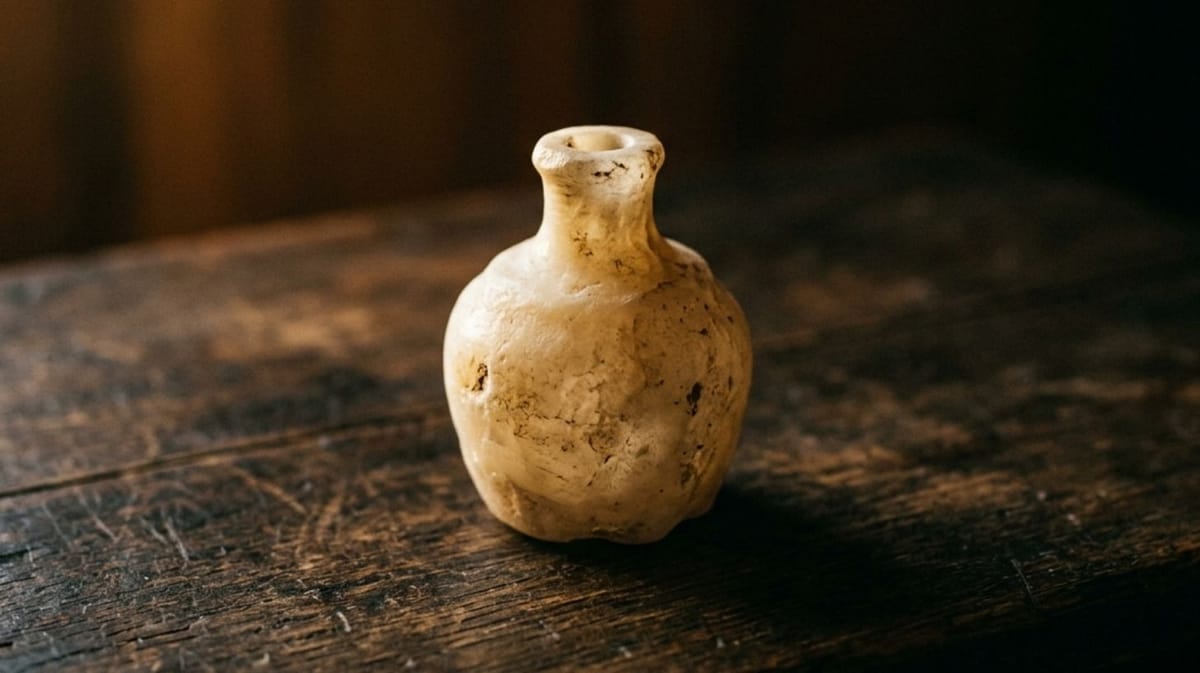
The Gnostic texts — the ones buried in clay jars at Nag Hammadi in Egypt and dug up in 1945 after sixteen centuries underground — go further.
The Gospel of Mary calls her the one the Savior loved more than the other disciples. The one he gave visions and teachings he did not give the others.
The Gospel of Philip describes her as his companion — the word in Aramaic implies intimacy, partnership, the kind of closeness that threatened the men who were supposed to be in charge.
Peter, in the Gospel of Mary, says: “Did he really speak with a woman without our knowledge? Are we to turn about and all listen to her? Did he prefer her to us?”
Levi answers him: “If the Savior made her worthy, who are you to reject her? Surely the Savior knows her very well. That is why he loved her more than us.”
They buried those words in a jar. Someone understood they needed to survive.
WHY IT MATTERS TO YOU TODAY
Every tradition that has ever pointed toward the sacred has known, in its deepest places, that the divine is not exclusively male.
The Shekhinah in Judaism — the feminine presence of God, the indwelling spirit, the one who went into exile with the people and has not fully returned.
Sophia in Gnostic Christianity — divine Wisdom, feminine, the one through whom the world was made.
The goddess in every form of Paganism — triple, singular, named and unnamed, present in the moon and the earth and the turning of the year.
The divine feminine keeps surfacing even in traditions that have tried hardest to suppress her. She comes up through the cracks in the theology like water finding its way through stone.
Mary Magdalene is where she surfaces in the Christian story.
Not the penitent. Not the fallen woman. The witness. The beloved. The first preacher. The one who stayed when the others ran. The one who recognized him in the garden before anyone else did.
Today is her feast day.
If you have ever been told that your access to the sacred is limited by what you are — your gender, your body, your history —
Mary Magdalene is your patron.
She was there first. She understood it most deeply. She was erased for fourteen centuries and came back anyway, in a clay jar, in a field in Egypt, in words that refused to stay buried.
What they tried to erase in her they cannot erase in you.
If you wish, you can do this today:
Say her name once, out loud. “Mary Magdalene.”
Hold the image of the words buried in a clay jar, refusing to stay buried, for thirty seconds.
Then name one part of yourself you were told disqualified you from the sacred — and let it disqualify you from nothing today.